
















A coalition of Europe’s downstream manufacturers

Europe’s strategic autonomy must extend along the entire value chain.

Europe’s industrial competitiveness and strategic autonomy depend on the strength of its entire value chain. We bring together 24 European associations of downstream manufacturers to make sure EU industrial policy recognises their needs and contribution alongside critical upstream industries.

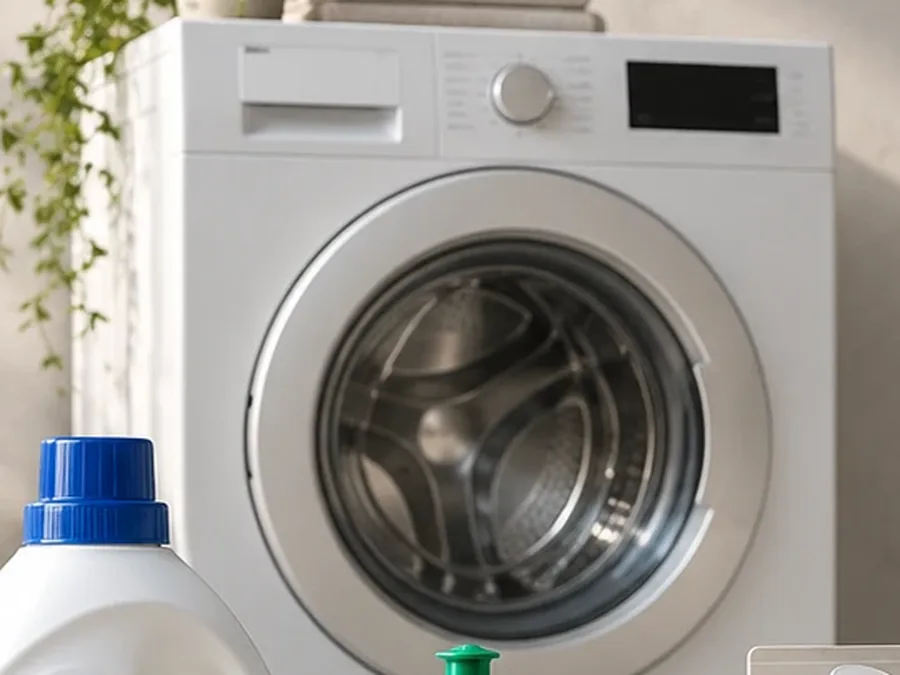
A washing machine
Home & kitchen
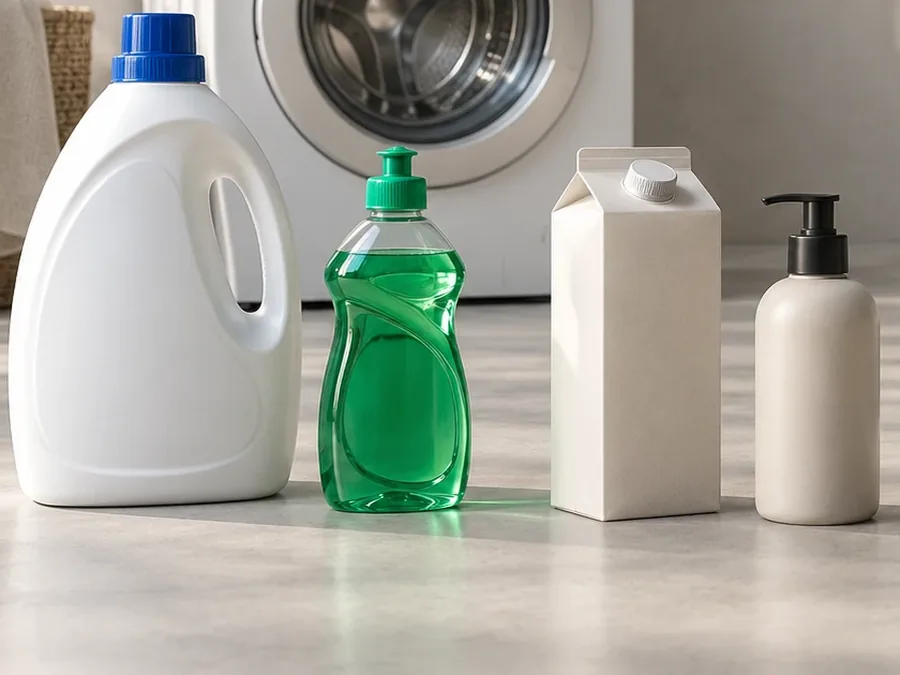
Detergent, washing-up liquid and personal care bottles
Cleaning & personal care
Soft drink bottles and cans, a carton and food packaging
Food & drink
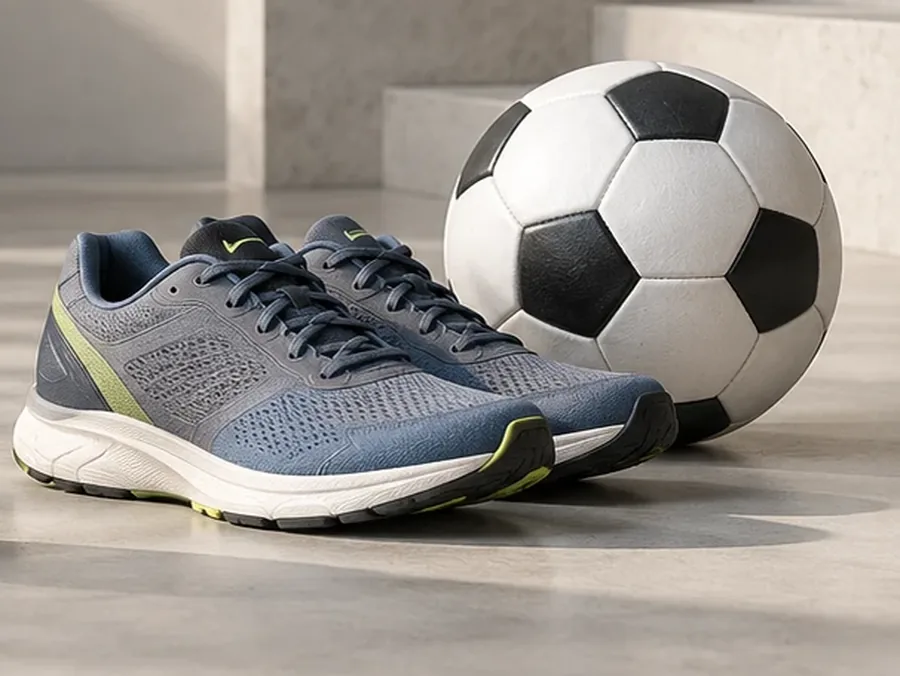
Running shoes and a football
Sport & outdoor
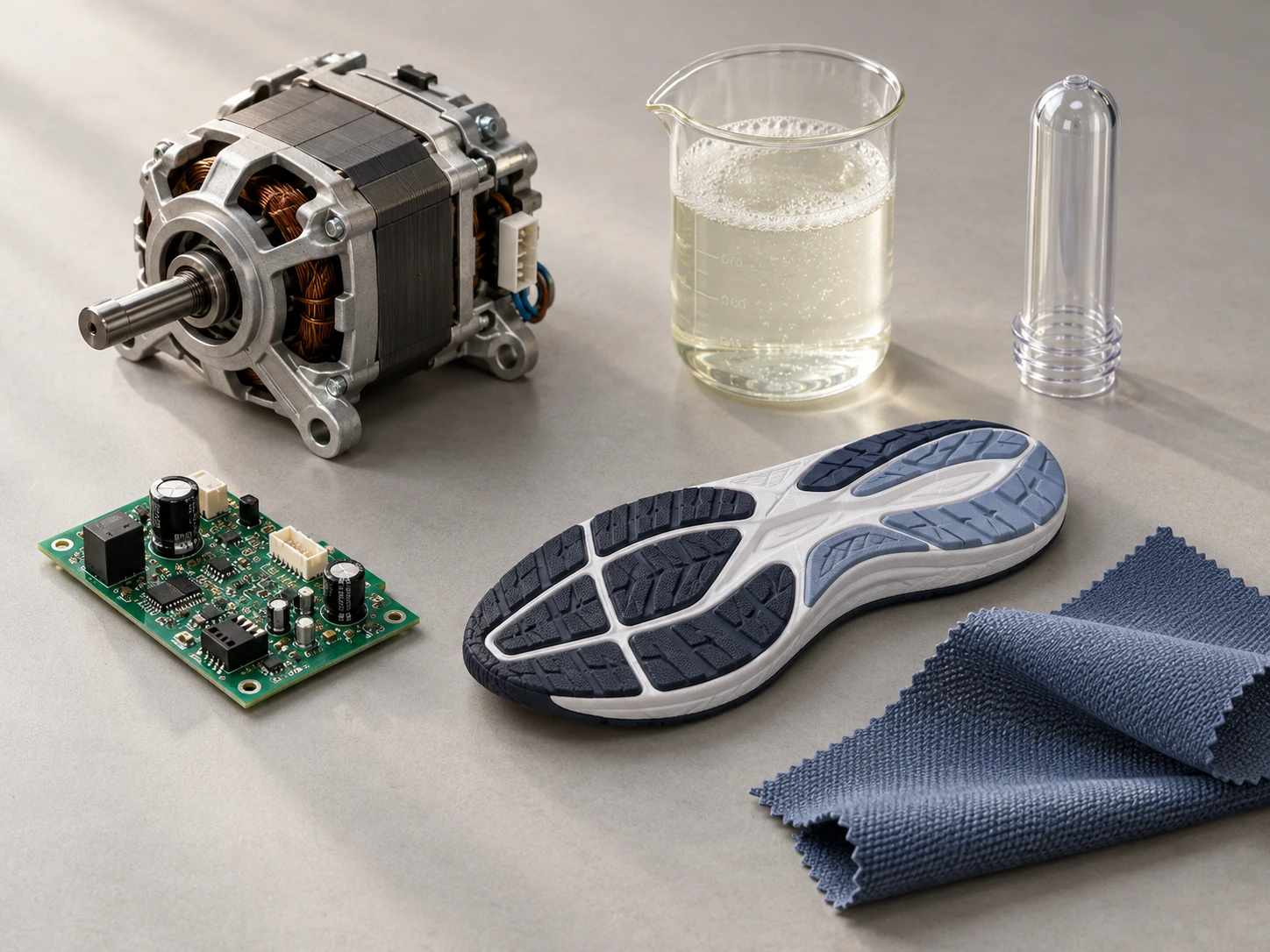
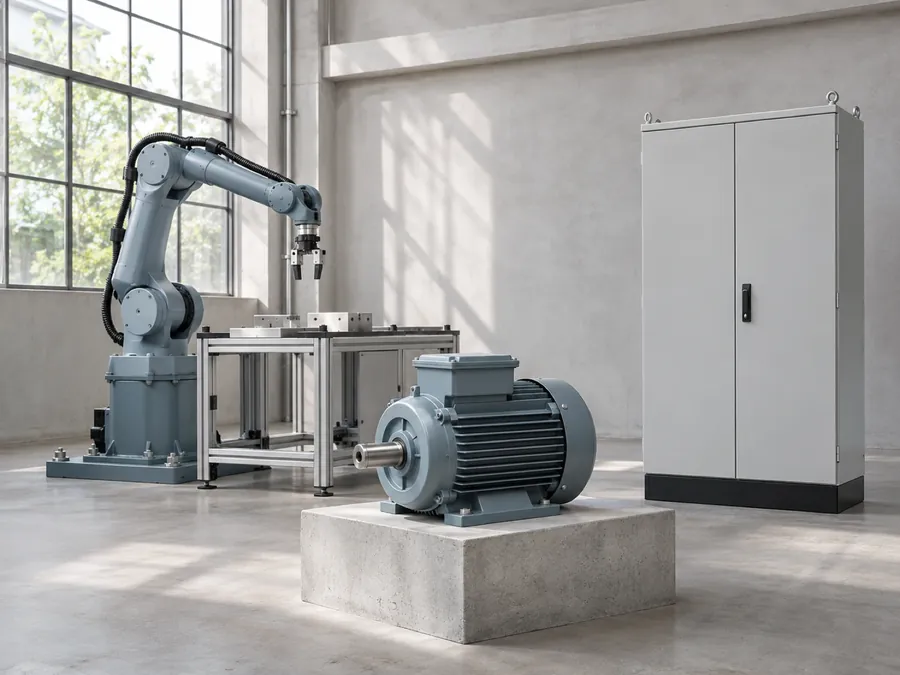
An industrial robot arm, an electric motor and an electrical cabinet
Machinery & electrical
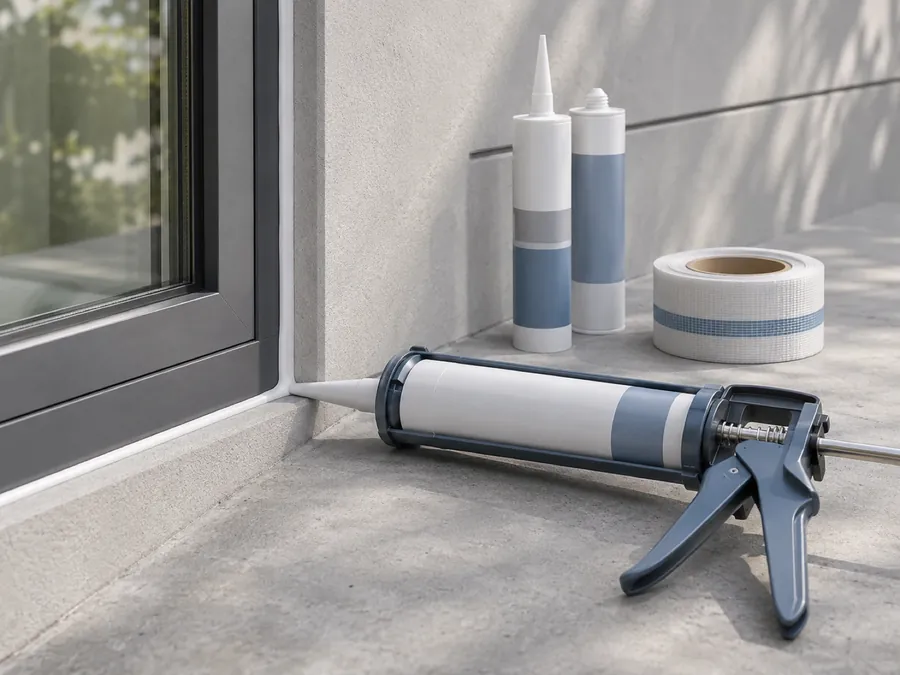
A sealant gun sealing a window frame, with adhesive cartridges and tape
Construction & assembly

Members

News

What does “downstream” mean?

Select a stage to see examples
Upstream
Downstream

Design, R&D, manufacturing and market placement of the finished products that households, businesses and public services use every day.

Consumer products
  • Home appliances
  • Consumer electronics
  • Detergents & cleaning products
  • Sports & outdoor equipment
  • Branded household goods
  • Cosmetics & personal care
  • Food & drinks
  • Cookware & cutlery
  • Toys
  • Tyres
Professional products
  • Medical technology
  • Industrial machinery
  • Building technologies
  • Commercial kitchen & laundry
  • Machine tools
  • Electrical equipment
  • Adhesives & sealants
  • Construction equipment
  • Materials handling
  • Pumps & valves
  • Fire safety & security
  • Tools
Consumer
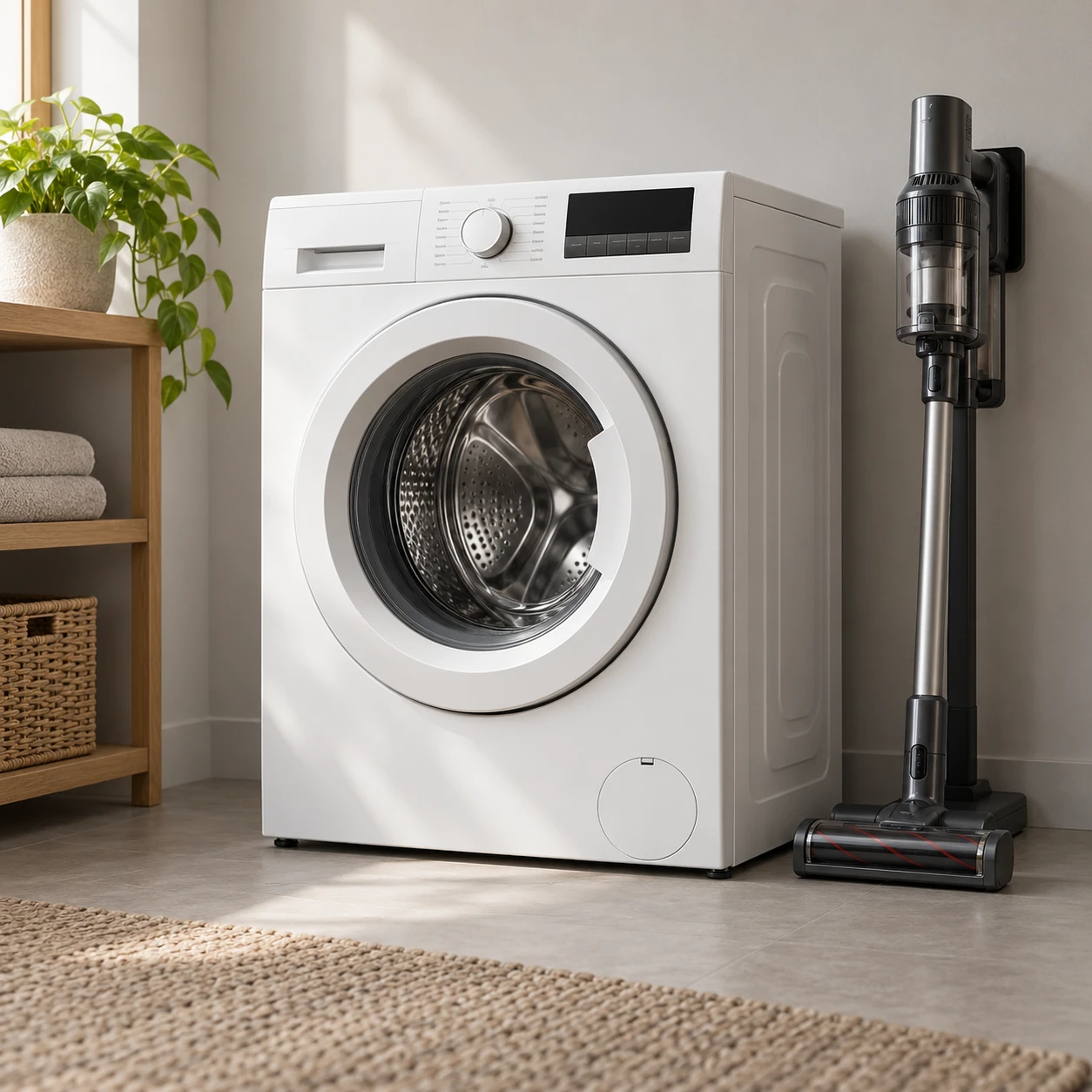
Home appliances: a washing machine and a cordless vacuum cleaner Detergents and cleaning products
Professional
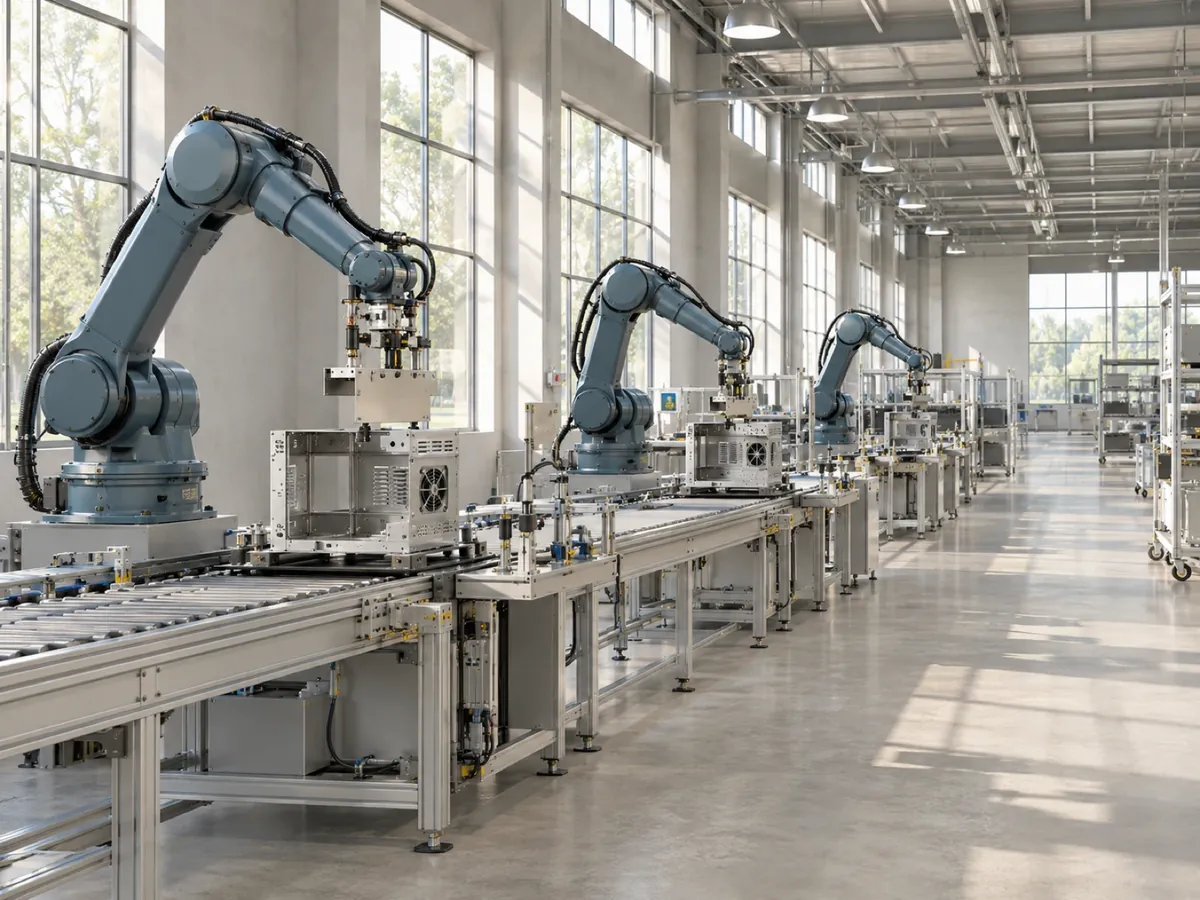
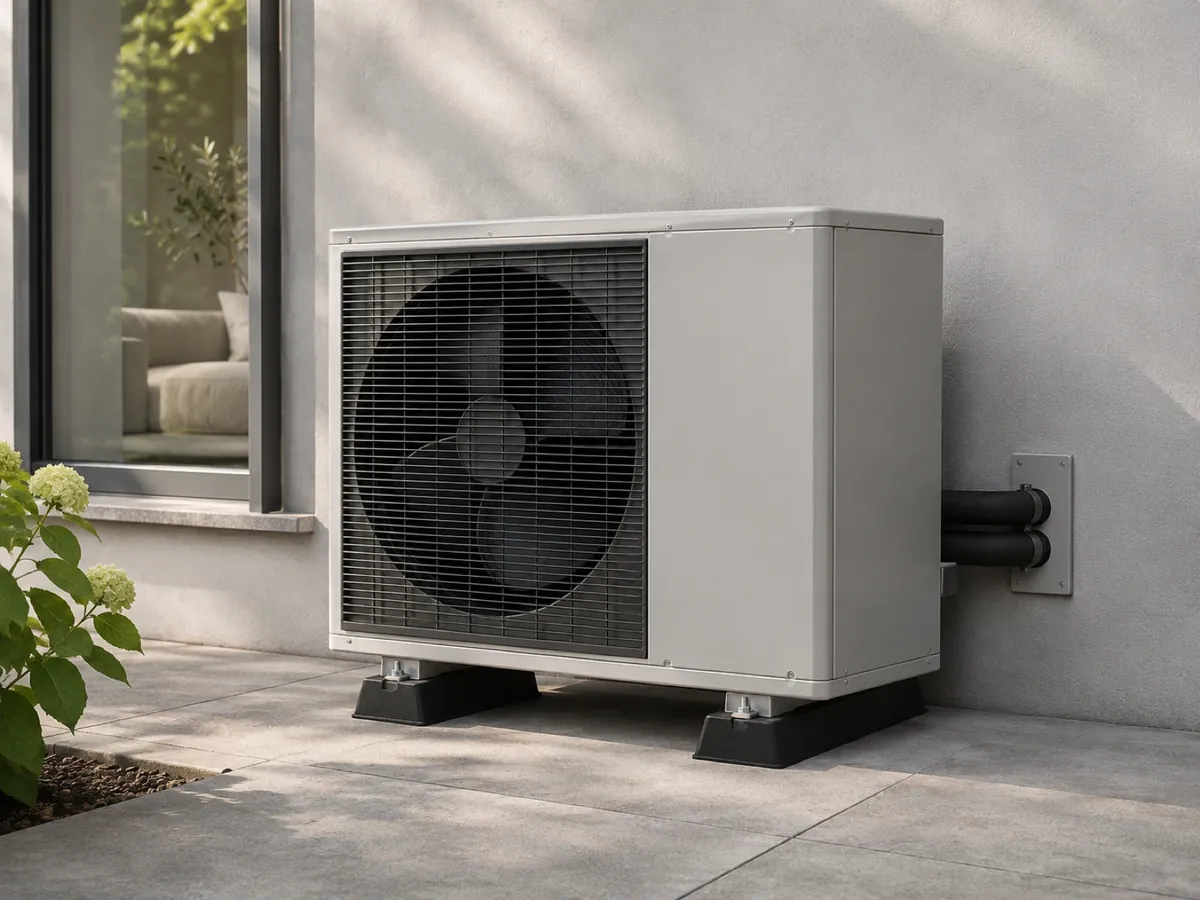
An automated production line with industrial robot arms A heat pump outside a modern building

The downstream economy

EU-27, 2022. The manufacturing sectors represented by our member associations. Source: Eurostat.
Manufacturing companies in our sectors
870,000+
Annual turnover in the EU
€2.4 tn+
Of EU GDP
Almost 5%
Direct jobs in the EU
11.6 m
Jobs in the EU
1 in 20
Euros of EU manufacturing turnover
1 in 4
Annual investment in EU plants and equipment
€100 bn
Wages and social contributions paid
€570 bn+
Exports outside the EU
€810 bn+
Our call

A Downstream Fitness Test for EU policy

We call for a Downstream Fitness Test within the European Commission’s impact assessments under the existing Better Regulation framework, and for it to be systematically applied throughout the legislative process, including during the negotiations in the European Parliament and the Council.

While policies are being developed, the Test should assess their implications for downstream manufacturers:

  • Cumulative regulatory and compliance costs
  • Input availability and affordability
  • Technical feasibility
  • Product quality, safety, performance and durability

It should help policymakers identify and address unintended consequences across the value chain.

5 principles for a stronger European value chain

The following five principles should guide this approach.

  1. Demand-side support

    EU industrial policy should support investment and innovation across the full value chain, including downstream manufacturing and SMEs. Public procurement, technology-neutral consumer incentives open to all compliant products, R&D funding and investment in recycling and refining should help build the supply, demand and production capacity needed for the transition to a more sustainable EU. These measures should help more sustainable materials and products find a market, rather than simply transfer costs between industries.

  2. Coherent requirements that work for real products

    EU legislation should be coherent, proportionate and workable for downstream manufacturers, particularly SMEs. Policymakers should address overlaps between requirements and assess their cumulative regulatory and compliance costs. Material requirements, including those under existing EU targets, must remain compatible with the safety, quality, durability, performance and recyclability that finished products require.

  3. A level playing field for European manufacturers

    Products made in Europe and imported products should meet the same EU product requirements. This principle should apply regardless of how products reach the market, including direct online sales to consumers. EU industrial and climate policies should also address competitive disadvantages arising from carbon-related costs faced by European downstream manufacturers compared with imported finished products.

  4. Effective enforcement

    Effective enforcement should be built into new product requirements from the outset. Strong market surveillance and clear enforcement responsibilities should be supported by digital tools that help identify non-compliant products.

  5. Enable the transition rather than add new targets

    EU policy should enable manufacturers to achieve existing EU targets, relying on effective solutions through a flexible, technology-neutral approach. Rather than introducing additional mandatory content targets, it should prioritise the availability of high-quality recycled, low-carbon and bio-based materials available at competitive prices and in sufficient volumes, while ensuring they meet the technical, safety and performance requirements of finished products.

Our positions

Where we focus

Join the downstream voice

Interested in learning more about the Coalition or becoming a member? Get in touch at secretariat@downstream4.eu

Join the Coalition →